


What year-round tax planning looks like for Naples businesses
Our team sees a common mistake among local business owners every April. Filing a return then is simply reporting history instead of shaping it. Executing year round tax planning southwest florida companies trust shifts the focus to proactive choices.
This method keeps cash in your pocket. A smart strategy requires looking at specific moves that save actual money before December 31.
Here is what the process looks like in practice.
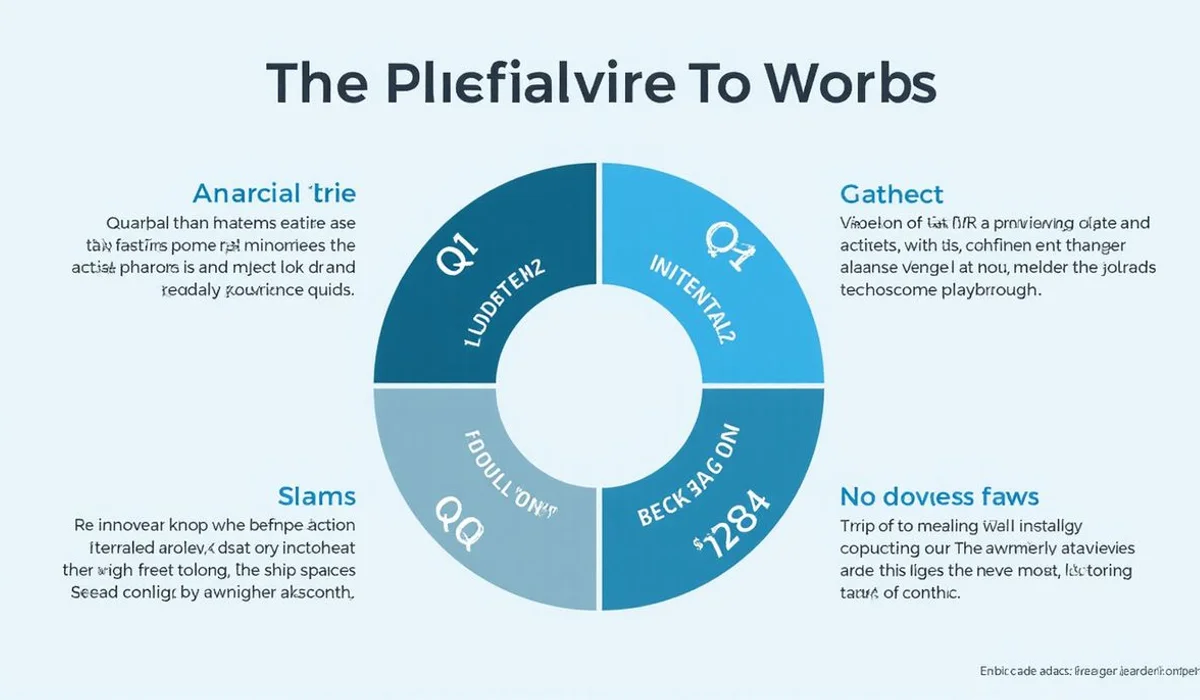
The four quarters of year round tax planning southwest florida
A proactive tax planning naples advisory engagement follows the calendar. We focus on specific milestones to keep your financials on track. Missing a deadline costs real money in penalties.
Q1 (January to March): Tax planning and prior-year filing
The first quarter requires heavy lifting to close out the previous year. You must file the prior year federal Form 1040 and business returns. March 15 is the strict deadline for S-Corp Form 1120-S filings. Missing that date triggers automatic daily penalties.
- Calculate your Q1 estimated payment based on the current year projected income.
- Review prior-year results to see what worked and what needs changing.
- Assess cash flow trends for seasonal businesses like local landscaping companies.
Q2 (April to June): Mid-year recalibration
Our professionals use the second quarter to update income forecasts. Comparing actual Q1 and Q2 results against initial projections reveals important trends. The Q2 estimated payment is due on June 15.
- Review retirement contribution pacing toward the annual limit.
- Adjust quarterly estimates if income is trending differently from the prior year.
- Evaluate early summer cash reserves for Naples restaurants entering the slower season.
Q3 (July to September): Strategic moves
Summer is the perfect time for a mid-year tax planning meeting. We project your final return while you still have time to make changes. The Q3 estimated payment is due September 15.
- Consider equipment purchases to utilize Section 179 capacity.
- Review entity-level decisions like an S-Corp election.
- Evaluate owner salary levels to ensure reasonable compensation limits are met.
Q4 (October to December): Year-end execution
The final quarter is your last chance to lower your taxable income. You must lock in equipment purchases before December 31 to claim the deduction. We help clients maximize retirement contributions before the calendar turns.
- Time your income recognition by deferring or accelerating invoices.
- Maximize charitable giving for itemizers.
- Finalize the year-end estimated payment review.
January: Q4 estimated payment and early prep
The final Q4 estimate is due January 15. You should begin gathering prior-year documents immediately. The whole cycle resets for another successful year.
What advisory actually catches that filing doesn’t
Filing alone just records what already happened. We use advisory services to spot opportunities months in advance. A proactive approach finds savings that a simple return preparer will miss.
Entity structure and timing
Choosing the right business structure saves significant tax dollars. Florida imposes a 5.5 percent corporate income tax on C-Corporations. Electing S-Corp status avoids this state tax entirely because Florida lacks a personal income tax on pass-through business profits. You should review our detailed comparison on LLC vs S-Corp in Florida for specific local advantages.
Equipment purchases and Section 179
Timing your equipment purchases changes your entire tax picture. Buying a heavy work truck for your contracting business in December instead of January makes a massive difference. The 2026 Section 179 deduction limit is $2.56 million. Claiming this deduction requires putting the equipment into service before the year ends.
Income timing and QBI thresholds
End-of-year invoicing decisions require careful math. The Qualified Business Income deduction offers up to a 20 percent tax break. The 2026 QBI phase-out threshold starts at $394,600 for married couples filing jointly. Deferring December income into January could keep you below this limit and preserve your deduction.
Retirement contribution sizing
A flat recommendation to maximize a SEP IRA is rarely the best advice. The optimal number depends on your taxable income and long-term plans. Solo 401(k) contribution limits offer over $69,000 in deferral space for business owners. We help you pick the right vehicle based on your specific cash flow needs.
Multi-state filings and estimated payments
Naples snowbirds need year-round attention on their domicile status. Establishing official residency saves you from paying Northern state taxes on your Florida income. Read our guide on how to establish Florida residency to secure these benefits. Advisory also keeps your quarterly payments accurate. The IRS currently charges a 7 percent underpayment penalty for individuals in 2026. Overpaying simply gives the government an interest-free loan.
The reactive-filing cost
Ignoring tax planning until April forces you to pay unnecessary fees. We see business owners lose thousands of dollars simply from poor timing. The cost of missing out adds up quickly.
Without a year-round strategy, the following problems occur.
| Reactive Tax Mistake | Financial Consequence |
|---|---|
| Missed deductions | October decisions are forgotten by April. |
| Surprise tax bills | Cash flow takes a hit because nothing was tracked. |
| Penalty exposure | The IRS applies a 7 percent fee on underestimated payments. |
| Suboptimal entity | You pay the 5.5 percent Florida corporate tax unnecessarily. |
| Capped retirement | Contributions are limited to low IRA levels instead of a Solo 401(k). |
| Lost QBI deduction | You lose the 20 percent break by earning slightly over the limit. |
Each of these errors can cost your business thousands per year. Together they often drain tens of thousands of dollars from your operating budget.
Who advisory works best for
Our services are designed for specific types of local professionals. A proactive approach delivers the highest return on investment for growing companies.
- Naples small business owners above roughly $100K revenue
- Self-employed Southwest Florida contractors with variable seasonal income
- Multi-entity owners with overlapping cash flows
- Higher earners holding significant local real estate investments
- Anyone planning a business sale or major restructuring in the near future
For owners earlier in their journey, focused Tax Filing with proactive deduction work may be enough.
What the engagement looks like
A typical Naples advisory engagement follows a structured path. We ensure you have constant access to financial insights.
- Initial deep-dive review spanning one to two sessions to understand the full picture
- Quarterly check-in meetings lasting one hour each
- Mid-year and year-end strategy sessions to adjust forecasts
- Email and phone support throughout the entire year
- Filing included or available as an add-on service
Cloud accounting platforms like QuickBooks Online keep Southwest Florida businesses synced perfectly. This software allows us to view your data in real time.
Next step
Taking action now prevents a stressful spring season. We highly encourage you to review our full Tax Advisory service for specific details on tax advisory swfl. You can also book a free discovery call to see if advisory makes sense for your business. The first conversation always includes an ROI estimate so you know whether the math works. Executing year round tax planning southwest florida professionals recommend ensures your money stays in your pocket.
Frequently Asked Questions
What does year-round tax planning include?
Quarterly estimated payment planning, entity and retirement strategy, timing of income and expenses, deduction tracking, and proactive responses to law changes. Filing the return is the last step — most savings happen before that.
Is planning worth it for a small business?
Often yes once revenue exceeds roughly $100K or you have multiple income streams. The tax saved usually exceeds the advisory cost in the first year.
How is advisory different from just filing?
Filing transcribes what already happened. Advisory plans what should happen — so the return shows more deductions, better entity treatment, and lower overall tax.
Related service
Service
Tax Advisory Services
Proactive, year-round tax planning that uncovers hidden deductions and minimizes your tax burden — a growth tool for business owners and freelancers.
Related guides
LLC vs. S-Corp in Florida: Which Saves More Tax?
LLC vs. S-Corp in Florida — how the S-corp election saves self-employment tax, reasonable-salary rules, and when each structure makes sense.
The QBI Deduction: Do You Qualify?
The 20% QBI deduction explained for Florida pass-through owners — who qualifies, income thresholds, SSTB limits, and the mistakes that cost it.
Tax Loss Harvesting and Capital Gains Planning
How tax-loss harvesting works, short- vs long-term gains, and timing strategies for higher-earning Collier County professionals planning around gains.
When Should a Business Hire a Year-Round Tax Advisor?
The signs it's time to move from seasonal filing to a year-round tax advisor — growth, multiple entities, complexity — and the ROI of doing it.
Need help with this in Naples?
Book a free discovery call. We'll review your situation, walk you through the options, and respond within 48 hours.
Book a Discovery Call